




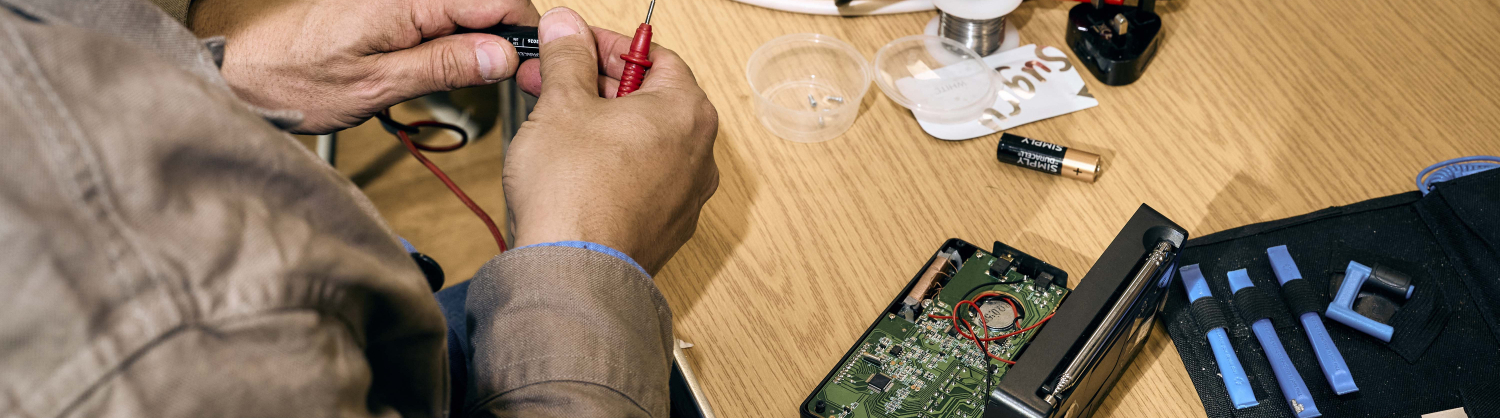
Repair not only reduces our impact on the planet, it has the power to save us money, teach new skills and bring communities together.
International Repair Day, taking place on 17 October this year, is an annual celebration for everyone who makes it accessible and affordable.
We now live in a throwaway society, and are depleting the planet’s limited resources by buying new. In 2023, Londoners binned £1.9 billion of repairable electricals – an average of £250 per person. This waste generates around 540,000 tonnes of carbon emissions a year - equivalent to 108 Big Bens.
Initiatives like The Restart Project have been campaigning for years against planned obsolescence while flying the flag for repair.
Faults are often temporary, and simply require the right tools and skills to keep items in use.
The North London Community Fund has also helped drive the local repair movement, supporting groups across our seven constituent boroughs.
To mark Repair Day, we spoke to some previous recipients to find out how they have continued fixing and making a difference in their communities.
Image
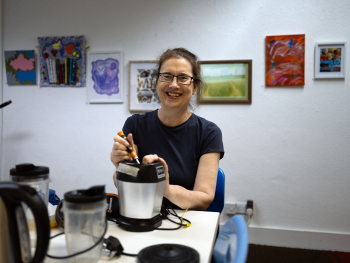
Thanks to two awards from the North London Community Fund, Forest Fixers has been running repair cafes in Waltham Forest since March 2023. Due to its popularity, Forest Recycling Project now provides free venue hire twice a week and the team have even been paid for taking part in some events.
From pop-up sessions in areas of the borough with limited repair provision, to specialist workshops focusing on specific items – Forest Fixers are not afraid to try something new.
For founder, Lisa Percival, being willing to renew and reinvent is key to success.
“Some things which looked great on paper may be a complete flop,” she explained.
“You may just need to change the publicity, or you may need to change the whole thing.
“Volunteers can come and go depending on life circumstances. Be prepared to recruit continuously and work out what they need - whether that is encouragement, someone to step in if a member of the public gets difficult, working with a particular person, or just lots of tea and no interference!”
People are at the heart of community groups such as Forest Fixers, and Lisa believes that taking time to build relationships is crucial to continuing operations.
She said: “Whilst you are receiving funding, get to know as many other community groups as possible and let them know what your needs are for when the funding stops such as free or low-cost venue for events, free fabric, or access to equipment. Let members of the public know as well. The majority of people who work in the community are lovely and want to help other groups.”
Image
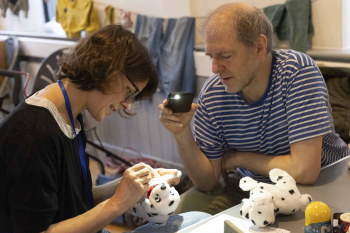
For Bowes and Bounds Green Repair Café, its 2024/25 grant covered all the upfront costs associated with setting up monthly sessions. Thanks to a dedicated group of volunteers and generous donations from attendees, no further funding has been required.
Holding the repair café on the same day as the Myddleton Road Market means that minimal promotion is required, with 100 successful repairs achieved during the first year of operation.
Fiona Dear, co-director at The Restart Project and one of the organisers of Bowes and Bounds, believes that the key to success is keeping sessions “simple” so that running them “doesn’t become a burden on anyone.”
She said: “The main thing you need is someone who is willing to pull the group together and do the ongoing organisation to make the sessions run. Once you have that, you can slowly grow as more volunteers come along, rather than having everything running perfectly from the start.
“Aside from more organisation in the first year, it doesn't take too much to run a repair café, and it's so lovely to build relationships with others in the community that you wouldn't usually cross paths with.”
Image
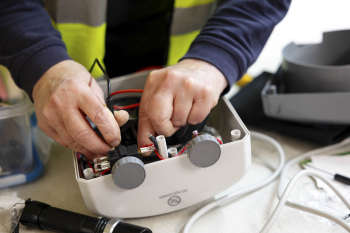
For Haringey Fixers, its 2024/25 funding provided the foundations to grow into a popular repair group covering an array of household items. It now runs six monthly repair cafes, pop-up stalls, crochet workshops and jewellery upcycling sessions.
Employing a part-time member of staff alongside volunteer repairers for the duration of the funding period freed up time for Chair of Trustees, Chris Setz, to focus on strengthening relationships within the community, lobbying work and future opportunities.
He said: “The strategic approach we developed because of the funding meant that we become a lot more professional and efficient which really helped us in quite a lot of ways. It gave people the feeling of a well-run organisation, which tends to be something which affects retention.
“The funding helped us to become stable, predictable and resilient. We’re expanding based on the groundwork laid earlier on.”
Chris and his team are passionate about tackling climate change and helping people get more life out of their belongings. Despite a growing repair community in north London and beyond, the Haringey Fixers believe there is still room for more.
Encouraging other groups to create their own sustainable repair project, Chris added: “We’re all in it together. We’re very supportive, so it’s easy to get started and so rewarding.”
Image
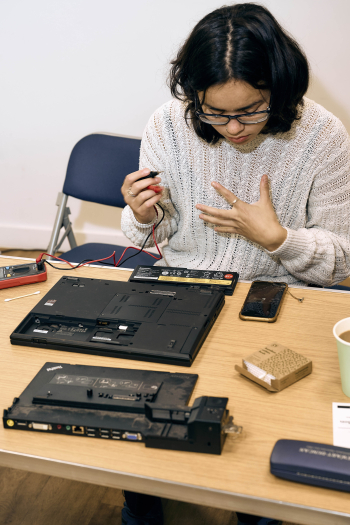
Kilburn Repair Club credits the ongoing support of volunteers and attendees with its continued success.
Following the end of its North London Community Fund period in 2025, the group successfully applied for further funding from Camden Giving and has secure a long-term venue at St Cuthbert’s Church Hall to establish a presence.
Meeting twice a month, Kilburn Repair Club focuses predominantly on small electricals and skill sharing but continues to evolve.
Sorcha Owens, who gives up her spare time to help manage the not-for-profit organisation, said: “Our volunteer base has grown, and having an established schedule has meant we get repeat beneficiaries who then spread the work we are doing locally, either through word of mouth or posting on social media platforms.
“We also now offer textile repair at all our evening sessions thanks to one of our volunteers, who is a keen sewer.”
She is passionate about ensuring volunteers feel valued, organising social events “so they have time to get to know each other outside of repairing.”
Networking with local community groups has provided valuable advice on venues and advertising, while the use of surveys demonstrates the real impact on attendees beyond the number of items fixed.
Published date