




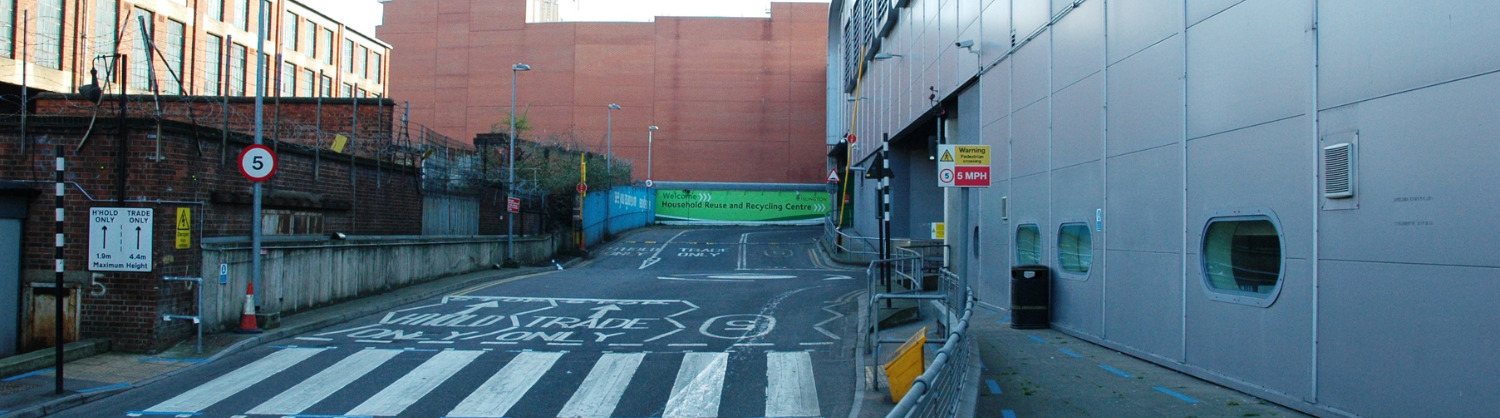
The fire at the Hornsey Street Waste Transfer Station on Tuesday 28 July was the fourth fire at the site since December of last year. Other fires occurred on 24 December 2025, 22 June 2026, and a small one on 14 July 2026.
The site reopened on Saturday 1 August, with extensive clean-up needing to take place after a fire to clear water away and make it safe for residents to visit.
Investigations are ongoing into the cause of this particular fire, but this is part of a strong upward trend in fires at our sites, largely driven by lithium-ion batteries. Lithium-ion batteries accounted for 20 fires at NLWA sites across 2025, and six so far in 2026 (noting that there are also a number of fires per year where the cause cannot be determined, meaning the total number of lithium-ion battery fires may be higher).
The cost to NLWA from fires at Hornsey Street recently is over £1m, and this is likely to increase over time. As well as the financial impact on council tax payers, the rise of lithium-ion batteries – found in common items like smartphones and laptops – is presenting a growing danger to our staff and facilities. We urge residents to recycle their electricals safely at recycling points, and call on government to introduce further regulations to put the burden of safe battery disposal back on manufacturers.
The following quotes can be attributed to an NLWA spokesperson:
“Lithium-ion batteries are extremely common, found in just about any device that can be recharged – like smartphones, laptops or even your electric toothbrush. But lithium-ion batteries are volatile, and can easily ignite when exposed to pressure or high temperatures – as we’ve seen with the worrying increase in fires at our waste sites. A damaged lithium-ion battery can reach up to 800 degrees when overheated – that’s as hot as molten lava.
“These battery fires are a danger to our staff, force sites to close for days at a time, and the cost of damage is footed by local council taxpayers. That’s why we urge residents to make sure they dispose of batteries and electrical items safely – don’t put them in your bin at home, but take them to a dedicated recycling point or book a collection from your council.
“We continue to work with councils to improve battery recycling infrastructure where we can. But if the new government is serious about its environmental targets, it needs to take the lead on addressing this ever-growing waste stream and the dangerous fires it is causing. An expanded producer responsibility scheme for batteries would rightly put the responsibility for the costs of safe disposal back on manufacturers, not local authorities and residents.”
Notes to editors
Islington Council Leader Cllr Una O'Halloran also issued a statement in response to the fire.