




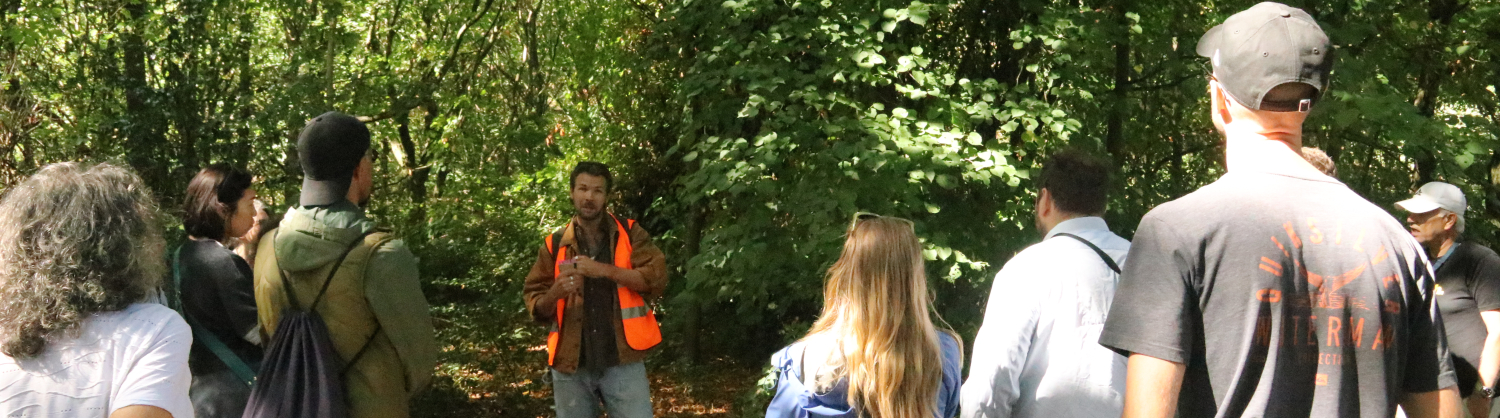
What is nature connection?
Nature connection is the relationship we have with the natural world. It is more than just spending time outdoors. It is about noticing nature, enjoying it, caring about it and feeling connected to it.
Listening to birdsong, growing plants, spotting wildlife in a local park, or spending time near trees, rivers or green spaces can all help strengthen our connection to the natural environment.
Why is nature connection important?
Research shows that feeling connected to nature can benefit both people and the planet. Spending time in nature can improve mental and physical wellbeing. It can also encourage people to take positive action for the environment.
This can include reducing waste, buying less, reusing items and making more environmentally friendly choices.
Five ways people connect with nature
Research has identified five main pathways to nature connection:
- Contact
- Beauty
- Meaning
- Emotion
- Compassion
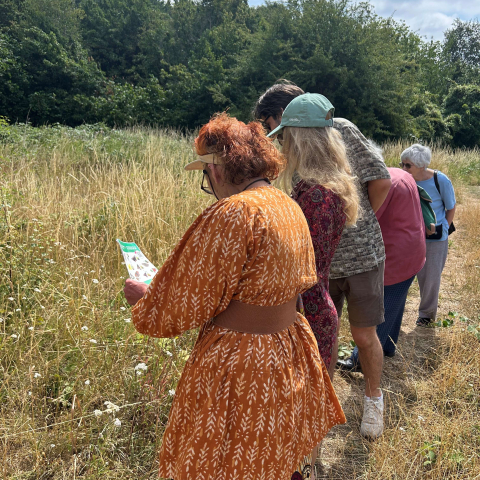
Contact
Using your senses to experience and enjoy nature.
For example:
- Listening to birds singing
- Smelling flowers
- Feeling the sun on your skin
- Watching a sunset
- Listening to the sound of water
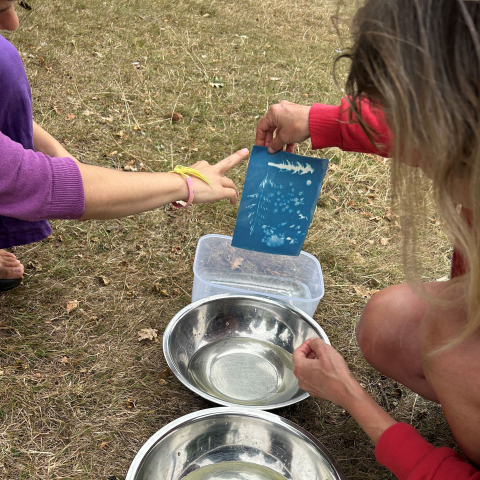
Beauty
Taking time to notice and enjoy the beauty of nature.
For example:
- Looking at trees, flowers, and wildlife
- Enjoying views of parks, rivers, or open spaces
- Noticing colours, shapes, and patterns in nature
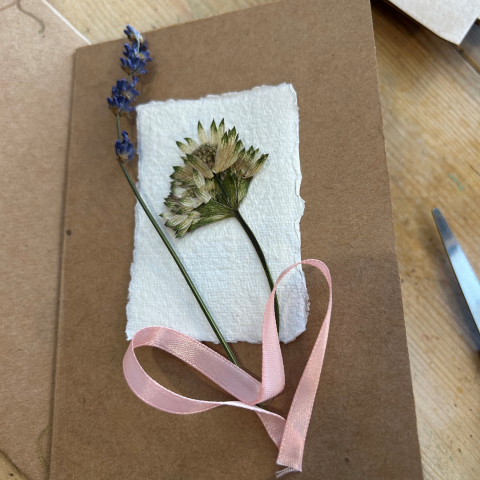
Meaning
Thinking about why nature is important to you and the role it plays in your life.
For example:
- Reflecting on favourite outdoor places
- Noticing seasonal changes
- Feeling connected to nature through memories, culture, or traditions

Emotion
Paying attention to how nature makes you feel.
For example:
- Feeling calm and relaxed outdoors
- Experiencing joy, wonder, or awe
- Feeling happier after spending time in nature
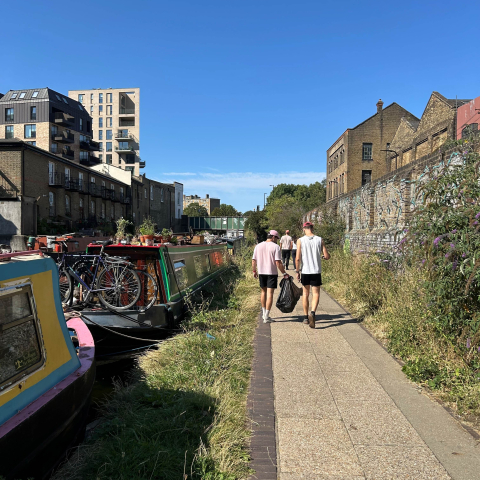
Compassion
Caring about nature and wanting to protect it.
For example:
- Making choices that are better for the environment
- Looking after wildlife and natural spaces
- Reducing waste
- Supporting actions that help nature thrive
Our research
NLWA Behaviour Change Project Manager and Dr Caroline Harvey from the University of Derby explored the link between nature connection and waste prevention.
The research found that people who feel more connected to nature are more likely to take actions that prevent waste. Based on these findings, NLWA worked with environmental charity Hubbub and local organisations to run nature-based activities for people living in north London.
The aim was to see whether spending time in nature and building a stronger connection with it could encourage people to reduce waste. The project showed positive results. After taking part in the activities, participants were significantly more likely to report that they planned to take actions to reduce their waste in the future.
Participants also reported:
- Feeling more connected to their local area
- Feeling more connected to other people
- Improved wellbeing
- Feeling inspired to take action
- A greater appreciation of local nature
The findings suggest that helping people connect with nature could be an effective way to encourage waste prevention and support more sustainable communities across north London.
Read the full project report.
Nature Spaces project
NLWA is working with local residents to transform spaces in north London into welcoming community spaces for people and nature.
We will work with closely with local councils, community groups, housing estates and residents to design the spaces together. This collaborative approach will help ensure the spaces meet local needs and reflect the ideas of the people who use them.
Through this project we hope to inspire residents to take action to protect their local environment and engage in environmentally friendly behaviours, including waste prevention.
We are working with Joining Communities CIC, Places for People, Camden Council and residents at Athlone House to improve the Athlone Community Hall Garden.
Location of the garden: Athlone Community Hall, 35 Athlone Street, London NW5 4LL
Image
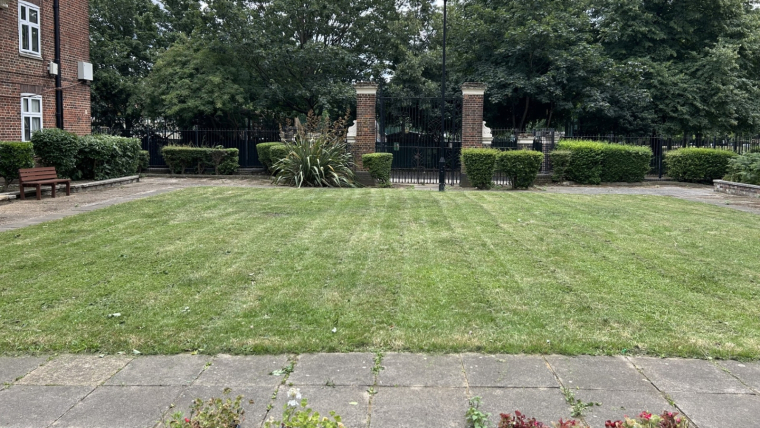
Residents can help shape the project by sharing ideas about what they would like to see in the garden and how it should look.
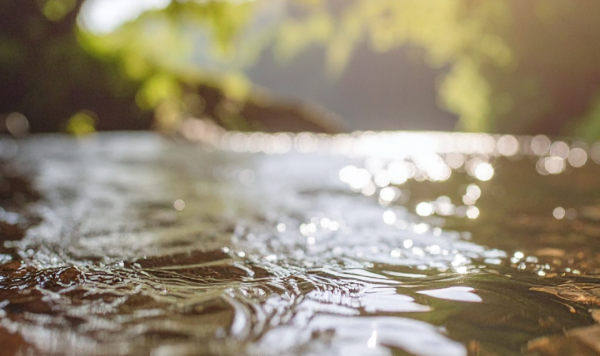
Wandering Waterways Activity
Find a place in nature where you can sit or rest, whether by a garden pond, park, reed bed, reservoir, towpath or riverbank and spend time wandering waterways.
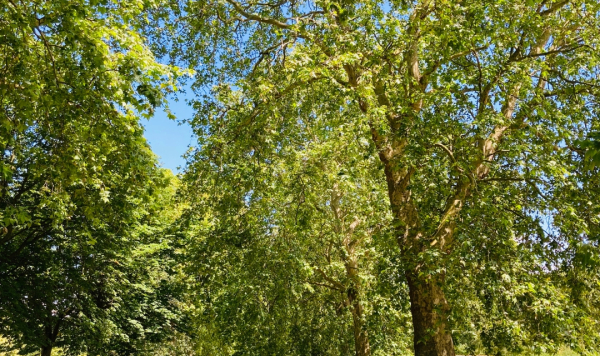
Watching Trees Activity
Find a place in nature where you can sit or rest, whether in a garden, park, wild place, or outside and spend time watching trees.
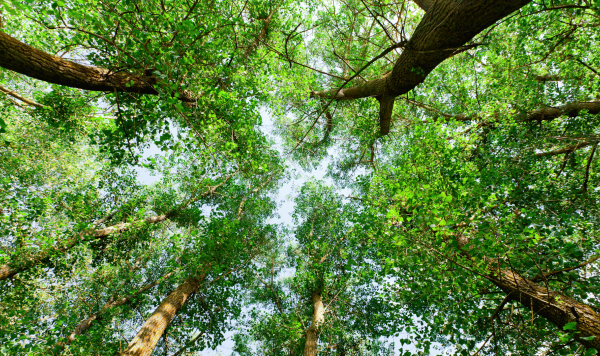
Tree Identification
Learn to identify some of the trees you see in and around London using the Tree ID Guide
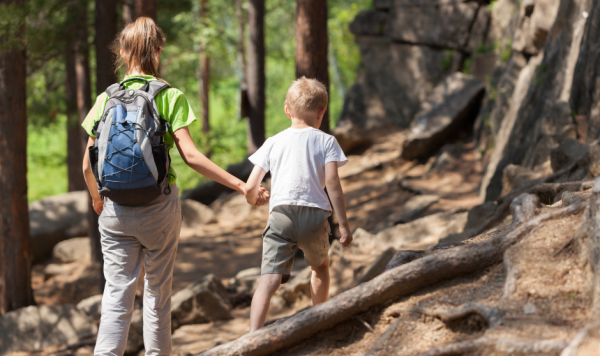
Urban Safari Guide
Explore your neighbourhood, town, city, or local park to find the beauty and wonder in ordinary nature that is all around us using the Urban Safari Guide