





As the year draws to a close and the festive season begins, homes and classrooms across the country are filled with excitement - and often, a lot of waste. From plastic decorations to mountains of wrapping paper and leftover food, the holidays can leave a big environmental footprint.
1. Organise a gift swap or Secret Santa
Instead of buying lots of new gifts, encourage a classroom or community gift swap. Set a spending limit and focus on homemade gifts, gifting something you already own or finding a treasure in a charity shop.
Image

2. Make your own decorations
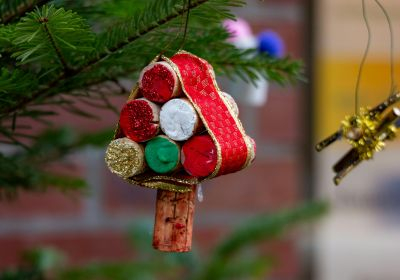
Skip the shop-bought plastic and get crafty with what you already have. Try creating garlands from scrap paper, making ornaments from natural materials like pinecones, or upcycling old decorations.
Image
3. Wrap it right
Traditional wrapping paper often contains glitter or plastic, making it hard to recycle. Instead, use recycled paper, old newspapers, or reusable fabric wraps. You could even decorate plain paper with student artwork for a special touch!
Image

4. Reduce food waste
Festive feasts often lead to leftovers. Plan meals carefully, store extras for later, and compost food scraps where possible. If you’re teaching about sustainability, explore our free lessons on food waste and composting to help students understand why it matters.
Image

Final thoughts
The festive season doesn’t have to be wasteful. With a little creativity and planning, you can turn it into a celebration of sustainability that your students will remember.
Are you a teacher? Check out our free educational resources here!