



Introductory video
Recommended books
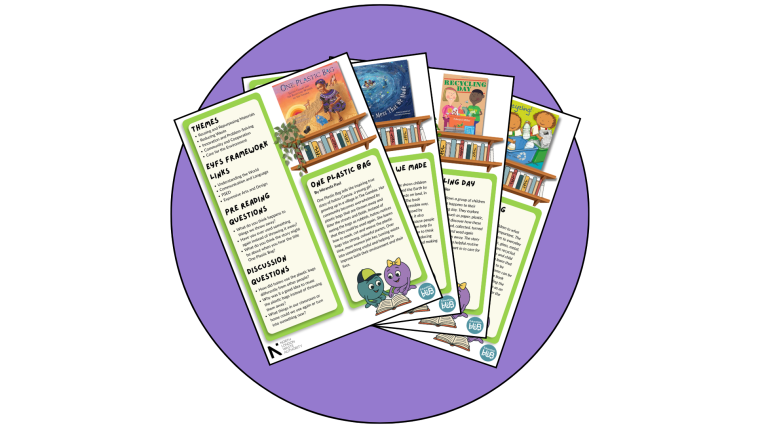
These teacher notes highlight picture books that support the understanding of 'Sorting materials & recycling'. They come with clearly outlined text themes, EYFS Framework links, and pre and post reading questions, helping children explore the circular economy through story telling, and encouraging discussion and curiosity.
Image
Document
Document
Developmental play activities
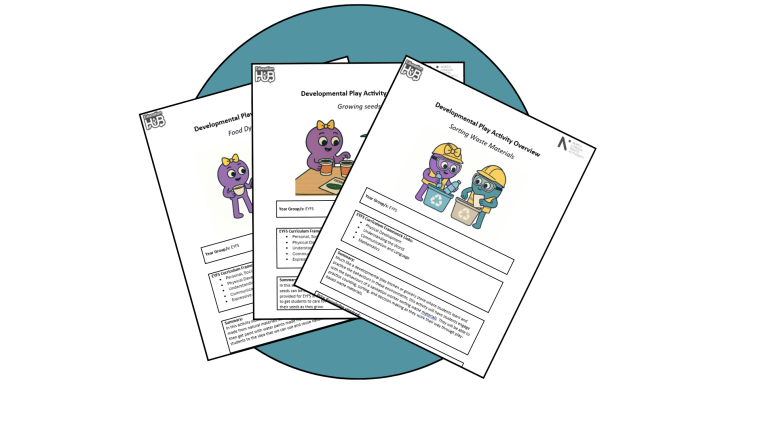
A great range of activities for teaching young learners about the circular economy through play and creativity.
Image
Document
dp_what_is_in_our_bin_1.pdf357.06 KB
This activity invites children to become eco detectives! Children will use litter pickers and gloves to safely explore the contents of their bin from the previous day. They will examine items found and sort them into groups to decide whether they have been placed into the correct bin (e.g. recycling or rubbish). Through this exploration, children will develop an understanding of recycling, materials, and how to look after our environment.
Document
dp_sorting_materials_2.pdf360.65 KB
Much like a developmental play kitchen or grocery store where students learn and practice the behaviours in these environments, this activity will have students engage with the behaviours of a sanitation worker sorting waste materials. They will be able to practice counting, sorting, and decision making as they work their way through play-based waste materials.
Document
dp_sorting_plastic_1.pdf353.58 KB
This activity will have students engage in role play, where children act out the plastic sorting process that happens within a recycling centre. They will be able to practice counting, sorting, and decision making as they work their way through play-based waste materials.
Document
dp_sorting_snacks_1.pdf357.61 KB
This activity will have students become real detectives! Children will explore a range of everyday snacks and the packaging they come in. They will need to feel and identify these materials such as plastic, paper, cardboard, or foil. Children will then sort the packaging into material groups. This activity supports children’s understanding of materials and raises awareness of what everyday items are made from.