
MPs have been urged to join the fight against dangerous battery disposal after a fire caused disruption to north London’s waste services.
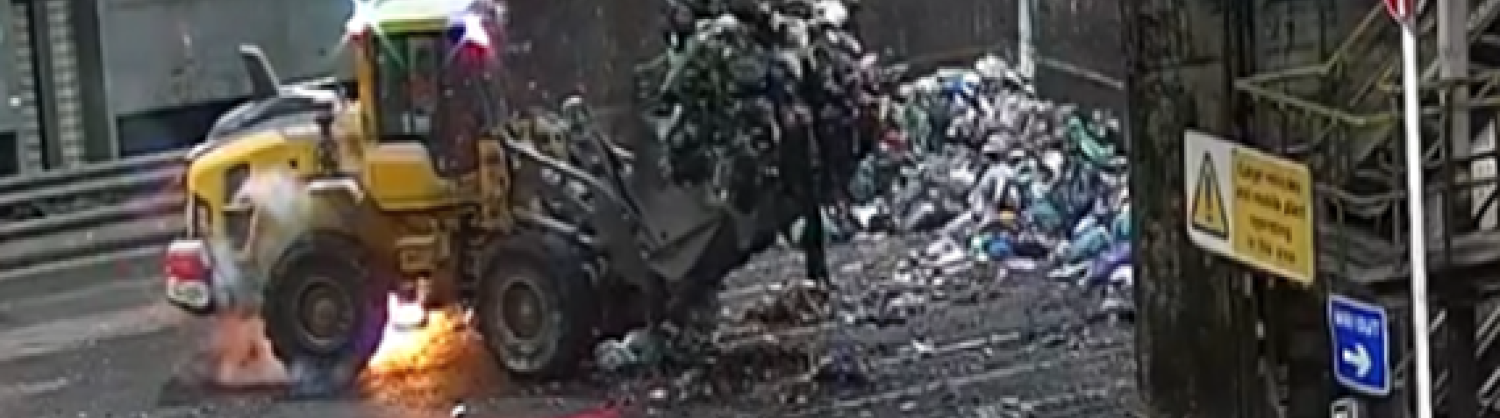
A lithium-ion battery which had been incorrectly placed in household waste exploded as it was driven over by a loading vehicle at Hornsey Street Waste Transfer Station, in Islington, on Christmas Eve. Within just 10 seconds, the vehicle was covered in flames.
The North London Waste Authority (NLWA) site – which handles waste from across Camden, Hackney, Haringey and Islington – and adjacent reuse and recycling centre were evacuated while London Fire Brigade extinguished the fire. The volume of water needed to control the incident flooded the site, resulting in an extensive clean-up operation. Essential site equipment was also damaged.
Hornsey Street Reuse and Recycling Centre reopened to the public on 27 December, with the waste transfer station becoming operational the following day.
NLWA Chair, Councillor Clyde Loakes MBE, has written to constituent MPs urging them to highlight the incident with ministers in the House of Commons and encourage action to prevent similar fires.
He said: “Fires at our facilities have more than doubled in the past few years, with the latest one causing significant damage to assets and infrastructure, as well as costly service disruption. It is very fortunate nobody was hurt.
“Old or damaged lithium-ion batteries can reach up to 800 degrees when they overheat and release toxic fumes. Disposing of them correctly will protect our staff, vehicles, facilities and the public, as well as ensuring valuable metals and plastics are recycled into something new.
“Real change can only happen with government support and policy intervention, such as placing enhanced responsibilities on producers.”
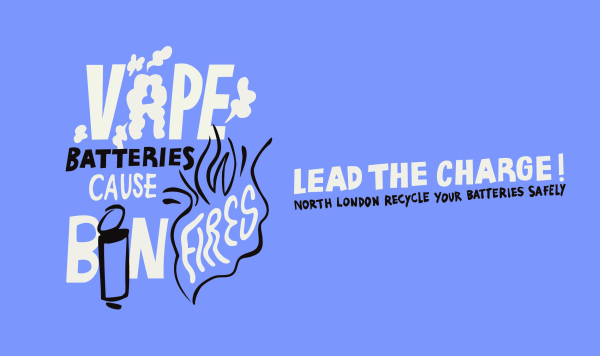
Last year, NLWA launched its Lead the Charge campaign, which encourages residents to dispose of lithium-ion batteries – which are found in phones, vapes and other household tech - safely.
NLWA previously joined forces with other London waste authorities and waste management organisations, writing to the Minister for Nature to call for “greater strategic direction to create the step change we need.”
In December, the authority co-hosted a House of Commons round-table to discuss possible interventions.
Residents can recycle electrical waste at any of north London’s reuse and recycling centres, or at any on-street e-waste bank or retailer collection point, all of which can be found on the Recycle Your Electricals website.