
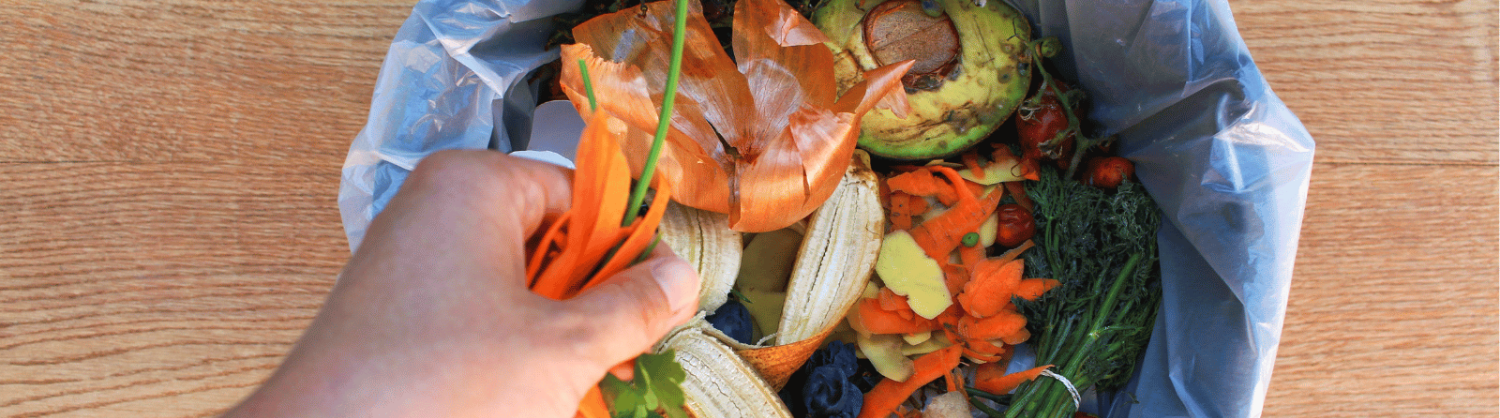
Food waste is one of the most pressing environmental challenges we face today. In north London alone, it accounts for roughly a third of all residual waste, making it the single largest waste stream which could be diverted for recycling. Every week, households in north London throw away 3.6 kilograms of food waste, over 70% of which could have been edible. Most of this goes into residual waste when it could be recycled. This is not just a waste of resources, it’s a missed opportunity to reduce emissions and create renewable energy through processes like anaerobic digestion.
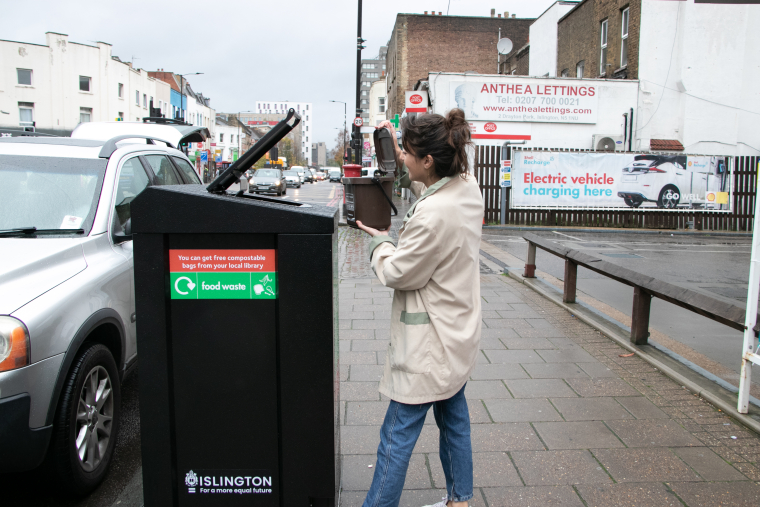
That is why supporting our residents to reduce food waste and recycle more are key commitments in our new Joint Waste Strategy. The issue has also rightly received attention from central government and now, under new Simpler Recycling regulations, all households in England will receive weekly collections of food waste. In north London, this means some boroughs are launching new collection services for all households, others are switching from mixed systems to separate food collections, and several are expanding coverage to estates and flats above shops.
Image
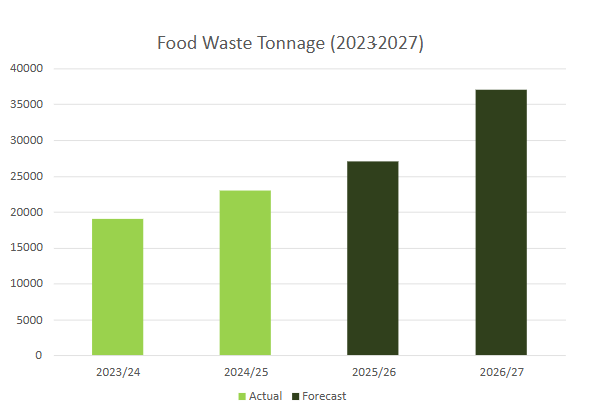
We expect these changes to lead to a 95% increase in the food which is collected separately for recycling by 2026/27. This growth underscores the urgent need for investment in infrastructure. NLWA are adapting our local facilities to handle higher volumes, providing upgrades such as increased capacity, concrete protection, improved drainage systems, and integrated odour control. These changes are essential to ensure that the food waste collected can be safely handled and successfully recycled, and all require significant capital investment. Similar challenges are occurring all around the country and national capacity for recycling is a growing issue. WRAP forecast a shortfall in anaerobic digestion capacity of 1.375 million tonnes per year by 2035.
Image
Typically, when launching new policies, the government works to the principle of ‘new burdens’. Roughly, that if local authorities should do something new and that this will cost them more money, the government must ensure that the necessary funding is provided. This allows for successful delivery of local services and aims to keep pressure on council tax down. In the case of food waste, government has rightly used this principle to fund vehicles, bins and communications necessary for the new collection services. However, there has been no equivalent investment into waste processing and recycling infrastructure. This leaves waste authorities like NLWA, and our residents, to pick up the bill.
NLWA is calling for government to make a proper assessment of the costs related to the processing and disposal of food waste, with a commitment to fund local authorities appropriately for their capital expenditure. Strategic planning and investment will also be needed, to ensure all regions of the UK have the infrastructure to recycle larger quantities of food waste. Without taking these steps, the government risks falling short of its recycling and climate goals.
Image
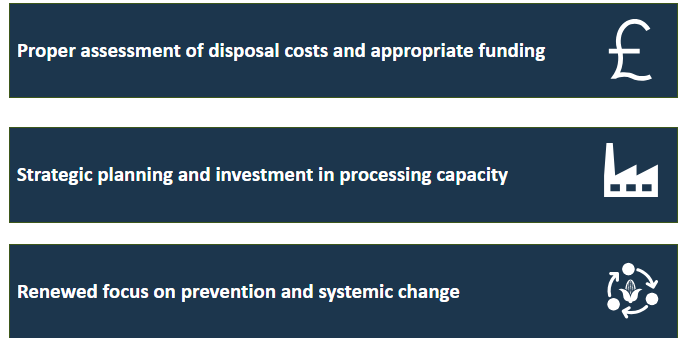
Crucially, we also need a renewed focus on reducing and preventing food waste. Reducing waste at source remains the most effective solution to ease pressure on infrastructure and deliver greater environmental benefits. For residents, avoiding food waste also has potential to save up to £250 per person, per year. To enable this, government must take a system-wide approach and develop a comprehensive strategy on food waste involving the food industry and consumers as well as the waste sector. NLWA and the seven north London boroughs will continue to work with government, our residents, and other partners, to help deliver the changes required.
Published date